
Introduction
Future technology updates are changing the way people live, work, communicate, shop, travel, and learn. Every year, companies introduce smarter devices, faster systems, and advanced digital solutions that improve daily life. From artificial intelligence to smart cities, modern innovation is becoming more powerful and accessible for beginners and professionals alike. As a result, people across different industries are paying closer attention to future technology updates and their long term impact.
Technology no longer affects only large businesses or scientific organizations. Today, students use virtual learning platforms, doctors rely on advanced medical systems, and small businesses manage operations with cloud tools. Furthermore, automation and machine learning are helping industries complete tasks faster and more accurately. Because of this rapid progress, understanding upcoming trends has become extremely important.
Many people feel excited about technological innovation, while others feel uncertain about privacy, job security, and digital safety. However, learning about future developments can help individuals prepare for upcoming opportunities and challenges. In addition, businesses that adapt early often gain a strong competitive advantage in the market.
What is Future Technology Updates?
Future technology updates refer to new advancements, innovations, and improvements expected to influence society in the coming years. These updates include smarter software, intelligent machines, improved communication systems, digital automation, robotics, virtual reality, advanced healthcare solutions, and sustainable technologies.
The main purpose of technological progress is to improve efficiency, convenience, safety, and productivity. For example, smart home systems can automatically control lighting and security. Similarly, healthcare technologies can monitor patient conditions in real time and help doctors provide faster treatment.
Future technology updates also include developments in transportation, education, manufacturing, agriculture, entertainment, and financial services. Many organizations invest heavily in research because innovation helps them remain competitive and meet changing customer demands.
Additionally, future technologies often combine several systems together. Artificial intelligence, cloud computing, big data, and the Internet of Things frequently work as connected solutions. This integration allows businesses and individuals to make smarter decisions based on real time information.
Why is Future Technology Updates Important?

Future technology updates are important because they influence nearly every part of modern life. Technology affects communication, healthcare, transportation, education, business operations, entertainment, and even personal relationships. As innovation continues to grow, people who understand these changes can adapt more effectively.
One major reason technology matters is efficiency. Automated systems reduce manual work and improve accuracy. For instance, businesses can process customer orders faster with digital tools, while hospitals can organize patient records more efficiently.
Another important factor is economic growth. Technological innovation creates new industries, job opportunities, and business models. Companies that invest in advanced systems often increase productivity and reduce operational costs.
Technology also improves communication and global connectivity. Video conferencing, instant messaging, and cloud platforms allow people from different countries to collaborate easily. As remote work becomes more common, digital communication tools continue to play a critical role.
Furthermore, future technology updates support sustainability. Renewable energy systems, smart transportation, and energy efficient devices help reduce environmental damage. Governments and businesses are increasingly focusing on green innovation to create a cleaner future.
Most importantly, understanding technology helps people prepare for future careers and opportunities. Individuals who stay informed about modern trends can develop relevant skills and remain competitive in an evolving job market.
Detailed Step by Step Guide
Understand Emerging Technologies
The first step is learning about major technological trends shaping the future. Some of the most important innovations include artificial intelligence, blockchain, robotics, cloud computing, biotechnology, and augmented reality.
Beginners should focus on understanding how these technologies work and where they are commonly used. Reading technology blogs, watching educational videos, and following industry news can improve knowledge significantly.
Learn the Role of Artificial Intelligence
Artificial intelligence is one of the most influential future technologies. AI systems can analyze data, recognize patterns, automate tasks, and support decision making processes.
Businesses use AI for customer support, fraud detection, content recommendations, and predictive analysis. In healthcare, AI assists doctors with medical imaging and diagnosis. As AI technology improves, its influence will continue expanding across different sectors.
Explore Smart Devices and IoT
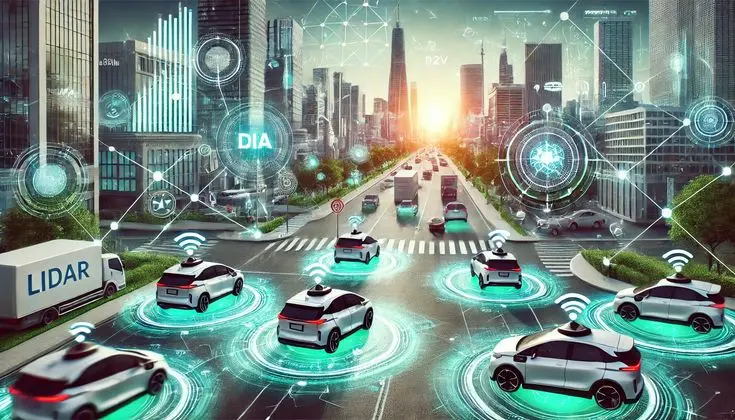
The Internet of Things connects devices through the internet, allowing them to share data and perform automated tasks. Smart watches, home security systems, connected cars, and fitness trackers are common examples.
IoT technology improves convenience and efficiency by creating intelligent environments. For example, smart thermostats can adjust room temperatures automatically based on user preferences and energy usage patterns.
Understand Cloud Computing
Cloud computing allows individuals and businesses to store files and access software online instead of relying on physical storage devices. Popular cloud platforms provide flexibility, security, and remote accessibility.
Many companies use cloud services for collaboration, project management, and data storage. Cloud technology also supports remote work by enabling employees to access information from anywhere.
Study Cybersecurity Developments
As technology grows, digital security becomes increasingly important. Cybersecurity protects systems, networks, and personal information from online threats and attacks.
Future technology updates include advanced encryption methods, biometric authentication, and AI powered security systems. Individuals should learn basic cybersecurity practices, including strong passwords, software updates, and safe browsing habits.
Learn About Robotics and Automation
Robotics and automation are transforming industries such as manufacturing, healthcare, logistics, and retail. Automated systems perform repetitive tasks faster and more accurately than manual labor.
For example, warehouses use robotic systems to organize inventory and manage shipping operations. In healthcare, robotic devices assist surgeons during complex procedures.
Follow Green Technology Trends
Sustainable innovation is becoming a major priority worldwide. Green technologies focus on reducing environmental impact through renewable energy, electric vehicles, and efficient resource management.
Solar panels, wind energy systems, and smart energy grids are examples of environmentally friendly technology updates. Many governments encourage businesses to adopt sustainable solutions through financial incentives and environmental policies.
Develop Digital Skills
Understanding technology is important, but developing practical skills is equally valuable. Individuals should learn digital communication, data analysis, online collaboration, and basic technical troubleshooting.
Students and professionals can also explore coding, digital marketing, graphic design, or cybersecurity courses. Continuous learning helps people remain adaptable in a rapidly changing environment.
Monitor Industry Changes
Technology evolves quickly, so staying updated is essential. Following trusted technology news platforms, attending webinars, and participating in online communities can provide valuable insights.
Businesses should regularly review market trends and customer behavior to identify opportunities for innovation and growth.
Benefits of Future Technology Updates
- Improved communication through faster digital platforms and global connectivity.
- Increased productivity with automation and intelligent software systems.
- Better healthcare through advanced diagnostics and remote monitoring.
- More educational opportunities using online learning platforms and virtual classrooms.
- Enhanced convenience with smart devices and automated home systems.
- Stronger business efficiency through cloud computing and data analysis.
- Environmental sustainability through renewable energy and smart resource management.
- Improved transportation with electric vehicles and intelligent traffic systems.
- Better customer experiences using personalized digital services.
- Greater access to information through advanced search and communication technologies.
Disadvantages and Risks
- Increased cybersecurity threats and data privacy concerns.
- Possible job displacement due to automation and robotics.
- High implementation costs for advanced technology systems.
- Dependence on digital infrastructure and internet connectivity.
- Ethical concerns related to artificial intelligence and surveillance.
- Spread of misinformation through digital platforms and automated content.
- Environmental impact caused by electronic waste and high energy consumption.
- Technology addiction and reduced face to face interaction.
- Unequal access to innovation in developing regions.
- Rapid changes that make some skills outdated quickly.
Common Mistakes to Avoid
One common mistake is ignoring cybersecurity. Many people use weak passwords or avoid software updates, making their devices vulnerable to attacks. Protecting personal and business data should always remain a priority.
Another mistake is adopting technology without proper planning. Businesses sometimes invest in expensive systems without understanding their long term benefits or operational requirements. Careful research and training are necessary before implementation.
Some individuals also rely too heavily on automation without human oversight. Although automated systems improve efficiency, human judgment remains essential for quality control and ethical decision making.
Ignoring continuous learning is another major issue. Technology evolves rapidly, and outdated skills can reduce career opportunities. Professionals should regularly update their knowledge and adapt to industry changes.
FAQs
What are future technology updates?
Future technology updates are new advancements and improvements expected to influence industries, businesses, and daily life in the coming years. They include innovations such as artificial intelligence, smart devices, robotics, and renewable energy systems.
Why should beginners learn about technology trends?
Beginners should learn about technology trends because digital innovation affects education, careers, communication, and business opportunities. Understanding technology helps individuals adapt to future changes more confidently.
Which industries benefit most from technology updates?
Healthcare, education, manufacturing, transportation, agriculture, finance, and retail benefit significantly from technological innovation. However, nearly every industry uses modern technology to improve operations and customer experiences.
Is artificial intelligence dangerous?
Artificial intelligence can create risks if used irresponsibly, but it also provides many benefits. Proper regulations, ethical guidelines, and human oversight help reduce potential dangers associated with AI systems.
How can people prepare for future technology changes?
People can prepare by learning digital skills, following industry news, improving cybersecurity awareness, and remaining open to continuous learning. Practical experience with modern tools also helps build confidence.
Will automation replace human jobs completely?
Automation may replace some repetitive tasks, but it will also create new career opportunities. Many future jobs will require creativity, communication, problem solving, and technical knowledge that machines cannot fully replace.
Expert Tips and Bonus Points
Experts recommend focusing on adaptability rather than fearing technological change. Individuals who learn continuously are more likely to succeed in evolving industries. Developing both technical and communication skills creates stronger career opportunities.
Another valuable tip is balancing innovation with responsibility. Businesses should consider privacy, security, and ethical standards before implementing advanced systems. Responsible technology use builds customer trust and long term success.
Networking with professionals in technology related fields can also provide useful insights and career opportunities. Online communities, webinars, and industry events help individuals stay informed about current developments.
Experts also encourage experimenting with new tools gradually. Instead of trying every innovation immediately, people should evaluate which technologies genuinely improve productivity or quality of life.
Conclusion
Future technology updates are transforming the modern world at an incredible pace. From artificial intelligence and cloud computing to robotics and renewable energy, innovation continues improving communication, healthcare, education, transportation, and business operations. These advancements create exciting opportunities for individuals and organizations willing to adapt and learn.
At the same time, technological growth also introduces challenges related to cybersecurity, privacy, automation, and ethical responsibility. Understanding both the benefits and risks of innovation is essential for making informed decisions. People who remain curious and committed to learning are more likely to succeed in an increasingly digital environment.
Businesses can gain major advantages by adopting modern technologies strategically. Meanwhile, individuals can improve their careers and daily lives by developing practical digital skills and staying informed about emerging trends. Continuous education and adaptability are becoming more valuable than ever before.